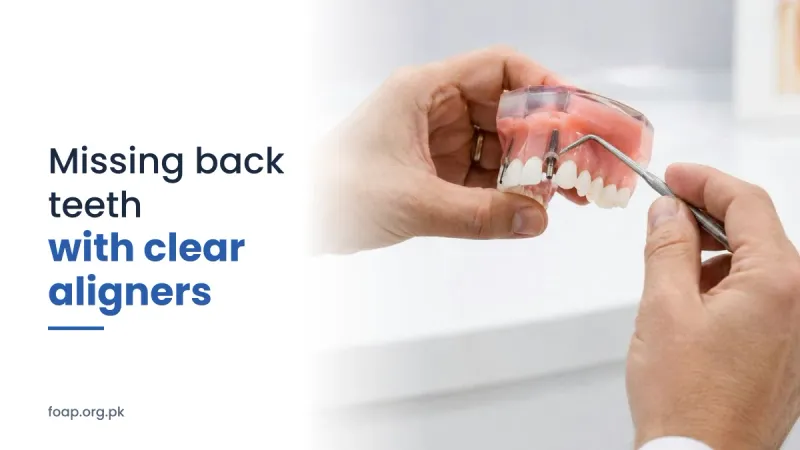
Clear Aligners in Patients with Missing Posterior Teeth
Planning clear aligner treatment when molars or premolars are missing: drifted and tipped teeth, over-eruption, space decisions and anchorage.
Planning clear aligner treatment when molars or premolars are missing: drifted and tipped teeth, over-eruption, space decisions and anchorage.
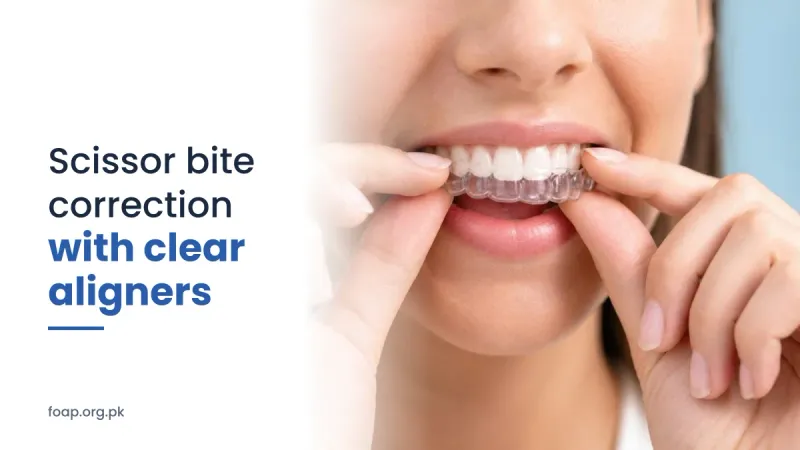
How to assess and plan scissor bite correction with clear aligners: diagnosis, cross elastics, bite ramps, miniscrews, staging and when to refer.

How to assess and treat crowding that returns after orthodontic treatment, using clear aligners: causes, records, planning, IPR and retention for life.
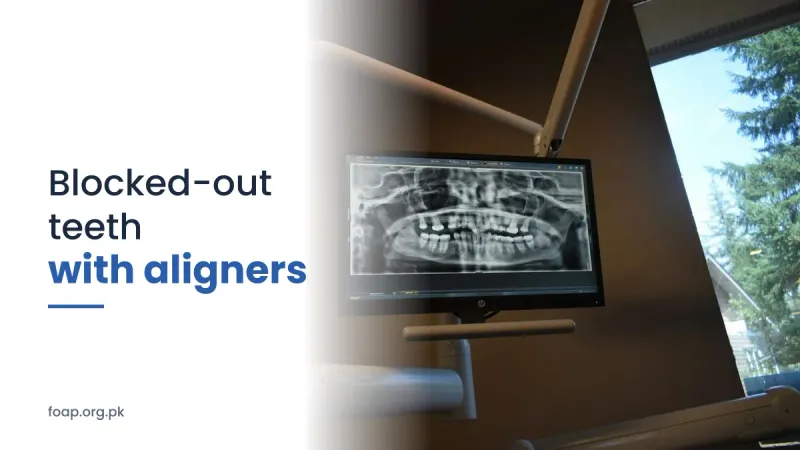
How to assess and plan blocked-out and ectopic teeth in aligner cases: space creation, staging, attachments, extrusion limits and when to add other tools.

Why clear aligner attachments debond or wear down, what clinical studies report on loss and wear rates, and how to bond, check and replace them well.
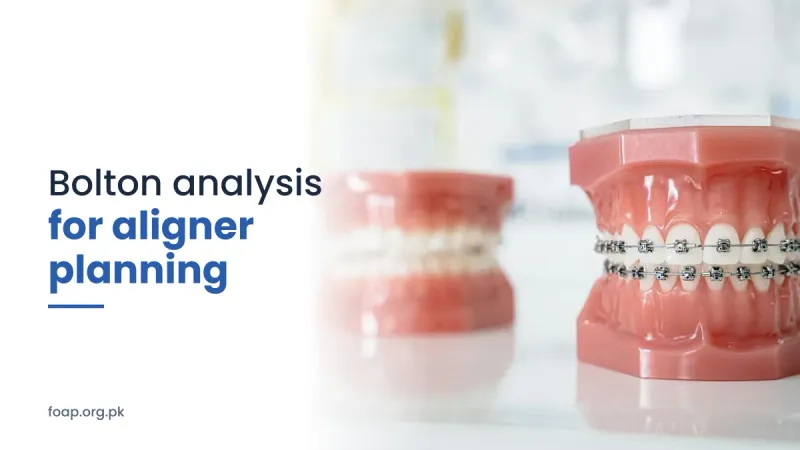
How to measure and use Bolton tooth size ratios in aligner cases, how far to trust software values, and options when upper and lower teeth do not match.
How in-office aligner fabrication compares with outsourced lab aligners on accuracy, materials, workload and responsibility, and what to weigh first.

How to plan aligner treatment for teens and growing children: what the evidence shows on outcomes, Class II, expansion, compliance and parents.
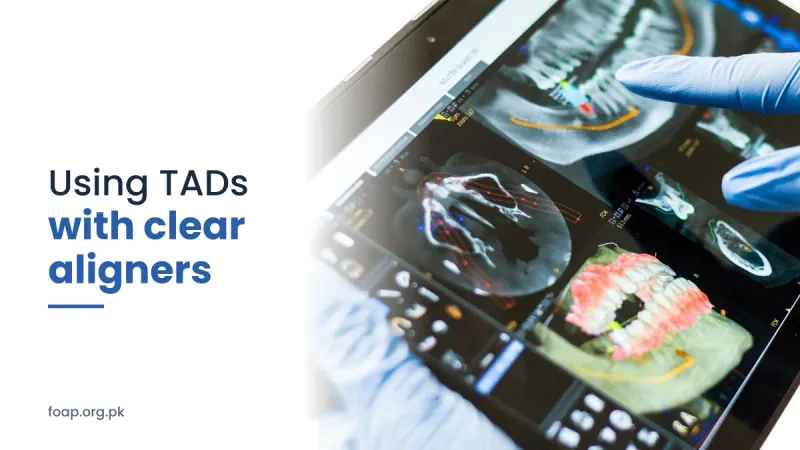
When to add miniscrews to aligner treatment, what the evidence shows for retraction, distalization and open bite, and the risks to plan and consent for.

How to finish aligner cases well: what to check at the end, common finishing problems such as posterior open bite, and when to add aligners or auxiliaries.
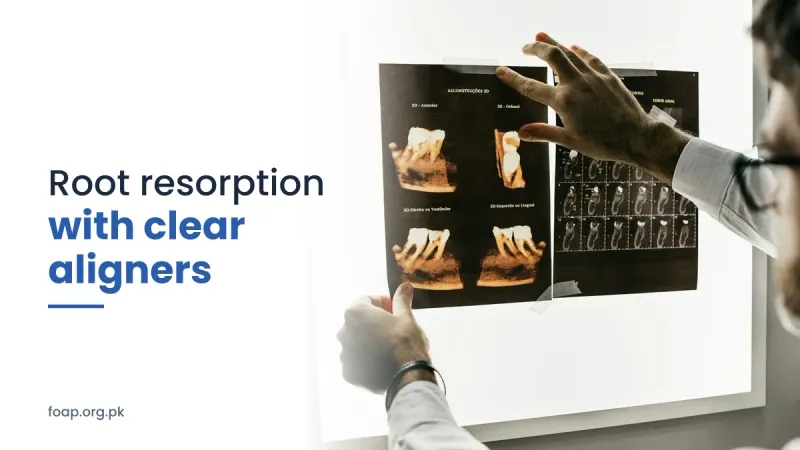
What the evidence says about root resorption with clear aligners, who is at higher risk, and how to screen, plan, monitor and consent aligner patients.
When aligner treatment is reasonable after periodontitis, what to check first, how to plan movements for reduced support, and how to monitor the gums.
A step-by-step way to check a digital aligner setup before you approve it: diagnosis, movements, staging, attachments, IPR, roots and bone, and the final bite.
What published studies show about premolar extraction cases with clear aligners: anchorage loss, incisor tipping, attachment choices and when to refer.

A clinician's guide to interproximal reduction in aligner cases: when it is indicated, why delivered IPR falls short of the plan, technique and safety.

A practical checklist for clear aligner records: the photo views to take, camera and smartphone tips, scan quality checks, and common errors to avoid.
How intraoral scanners are used in aligner treatment, what the research says about their accuracy, and what Pakistani clinics should compare before buying.
Learn how orthodontists diagnose and correct aligner tracking issues using refinements, digital scans, and mid-course corrections in clear aligner therapy.
The main challenges of clear aligner treatment in Pakistan, from compliance, cost and training gaps to case selection, tracking and retention.

Five practical ways busy clinics can improve clear aligner compliance through patient education, follow-ups, digital tools and simple instructions.
A stage-by-stage look at how an aligner case fails, why tracking is lost, common planning errors, and a step-by-step protocol for case recovery.

How clear aligners manage moderate crowding of 4 to 8 mm, covering space creation, attachments, staging, periodontal checks, retention and limits.
A step-by-step aligner case for anterior crowding and mild deep bite, covering diagnosis, staging, IPR, attachments, monitoring and retention.

Clear aligner attachments types, placement and biomechanics for improved predictability and orthodontic treatment outcomes.
Learn how aligner staging protocols improve tooth movement, boost efficiency, and enhance treatment predictability in modern orthodontics.

How clear aligners manage selected Class II and III cases using distalization, elastics, attachments and IPR, along with limits and case selection.
What causes aligner tracking errors, how to detect them with clinical and digital checks, and the refinement steps orthodontists use to correct them.

Learn the key criteria for aligner therapy case selection, from mild to complex malocclusions, including indications, contraindications and limitations.

Examine the biomechanics of clear aligners with insights on force systems, controlled tooth movement, and evidence based orthodontic treatment.

How clinicians manage open bite and deep bite with clear aligners, covering biomechanics, case selection, attachments, monitoring and retention.
Why anchorage is harder to control with clear aligners, and how attachments, elastics, TADs, monitoring and compliance help keep movement on plan.
How AI diagnosis and automated simulations support orthodontic planning, efficiency and patient communication, and the limits clinicians must manage.
The patient demand, comfort, digital planning, training and hygiene factors behind aligner adoption in Pakistan, plus the challenges dentists face.
Why retention after aligner therapy is vital for lasting results: how bone biology affects stability, and how to plan full-time and night-only retainer wear.

How AI and digital planning change aligner therapy, from scanning and staged simulations to monitoring, and why clinical judgment remains central.
Practical guidance for dentists on setting expectations, using remote monitoring and handling tracking problems through clear patient communication.
How AI planning, 3D printing and smart materials are changing clear aligner care in Pakistan, and the role FOAP plays in education and standards.

How clear aligners evolved from 1990s systems to digital planning, how they compare with braces, and why dentist supervision matters in Pakistan.