The Future of Orthodontics: AI and Digital Aligner Planning
The future of orthodontics is being shaped by artificial intelligence and digital planning, and this transformation is already changing how aligner therapy is designed, delivered and monitored. For clinicians and patients alike, the shift from manual workflows to data-driven systems means more predictable outcomes, better comfort and smarter treatment journeys. At the heart of this evolution in Pakistan stands the Foundation for Orthodontic Aligners Pakistan, which supports clear aligner training and mentorship in Pakistan. By combining clinical experience with intelligent software, orthodontics is moving toward a model where precision, personalization and efficiency define everyday care.
In the first hundred days of any digital transition, the most visible impact is accuracy. Digital impressions replace messy molds, virtual setups replace guesswork and AI driven simulations guide each stage of aligner therapy. This is not a distant promise. It is the present and it is setting the pace for aligner innovations 2026 and beyond. As clinics adopt these tools, patients benefit from clearer timelines, fewer surprises and results that align closely with expectations.
The Role of FOAP in the Future of Orthodontics
The Foundation for Orthodontic Aligners Pakistan has positioned itself as a knowledge hub for modern orthodontics. Its mission centers on education, clinical standards and structured mentorship. Through hands-on programs, case-based learning and continuous professional development, FOAP helps clinicians understand not only how to use aligners, but how to plan them with digital confidence.
This focus matters because technology alone does not improve outcomes. People do. When dentists and orthodontists learn how to interpret digital data, validate AI suggestions and refine treatment plans, the future of orthodontics becomes both safer and more effective. FOAP bridges this gap by connecting innovation with clinical responsibility.
Why AI and Digital Planning Matter in Aligner Therapy
Traditional orthodontics relied heavily on manual measurements, physical models and experience based predictions. While effective, these methods left room for variability. AI and digital planning reduce that uncertainty by introducing:
- High precision 3D models of patient anatomy
- Predictive movement simulations for each tooth
- Data driven staging of aligner therapy
- Continuous monitoring and adaptive planning
These capabilities make aligner therapy more transparent for both doctors and patients. The clinician can see the entire treatment path before the first aligner is even fabricated and the patient can understand what to expect at each stage.
How Digital Workflows Are Changing Daily Practice
Digital orthodontics is not just about software. It is about rethinking the entire workflow. A modern, FOAP aligned digital process often includes:
- Intraoral scanning to capture accurate 3D data
- AI assisted analysis to identify alignment issues
- Virtual treatment planning with staged movements
- Review and refinement by the clinician
- Fabrication of aligners based on the approved plan
- Remote or in clinic monitoring of progress
- Adjustments guided by data and outcomes
Each step adds a layer of quality control. Instead of reacting to problems late, clinicians can anticipate challenges early and adjust the plan before they affect the patient.
Benefits of AI and Digital Planning in Aligner Therapy
The future of orthodontics brings tangible benefits that improve both clinical outcomes and patient experience.
Key Benefits
- Higher accuracy in tooth movement prediction
- Shorter treatment times through optimized staging
- Better patient communication with visual treatment previews
- Reduced chair time due to fewer unexpected corrections
- Consistent quality across different cases and clinics
- Scalable expertise through FOAP training and mentorship programs
For patients, this means more confidence in the process. For clinicians, it means better control, efficiency and professional growth.
Features That Define Modern Digital Aligner Systems
Modern aligner platforms supported by AI and digital planning share several defining features:
- 3D treatment simulation and visualization
- Automated detection of crowding, spacing and bite issues
- Smart staging of tooth movements
- Progress tracking dashboards
- Integration with lab manufacturing systems
- Data storage for case review and learning
When combined with structured education from the Foundation for Orthodontic Aligners Pakistan, these features become tools for excellence rather than just technical add-ons.
Step by Step: How AI-Guided Aligner Therapy Works
Understanding the process helps both clinicians and patients trust the system.
- Initial Consultation and Scan: The patient undergoes a digital scan, creating a precise 3D model of the teeth and bite.
- AI Assisted Analysis: The software analyzes alignment issues, spacing, rotations and bite relationships.
- Digital Treatment Planning: A virtual plan is created, showing staged tooth movements from start to finish.
- Clinical Review and Refinement: The orthodontist reviews the plan, makes adjustments and approves the final strategy.
- Aligner Fabrication: Aligners are manufactured based on the approved digital plan.
- Treatment Delivery and Monitoring: The patient wears the aligners as prescribed, with progress monitored digitally or in clinic.
- Data Driven Adjustments: If needed, the plan is refined based on real world response, ensuring optimal results.
How It Works: The FOAP Model of Training and Mentorship
Clear aligner training and mentorship are central to sustainable innovation. FOAP follows a structured model:
- Education through workshops and clinical courses
- Mentorship with experienced aligner clinicians
- Case based learning using real patient scenarios
- Digital planning skills focused on interpretation, not just software use
- Continuous updates aligned with aligner innovations 2026 and future trends
This approach ensures that practitioners do not just adopt tools, but master them with confidence and responsibility.
The Broader Impact on the Future of Orthodontics
The future of orthodontics extends beyond straight teeth. It includes:
- More accessible care through efficient workflows
- Standardized quality across regions
- Better documentation and research opportunities
- Stronger patient trust through transparency
- A culture of continuous improvement driven by data
In Pakistan, the Foundation for Orthodontic Aligners Pakistan plays a vital role in guiding this transition, ensuring that progress remains patient centered and clinically sound.
Aligner Innovations 2026 and Beyond
Looking ahead, several trends are shaping the next phase of aligner therapy:
- Deeper AI integration for predictive treatment outcomes
- Smarter materials with improved comfort and durability
- Enhanced remote monitoring tools
- Greater personalization of treatment plans
- Stronger collaboration between clinicians and digital platforms
These innovations will further refine aligner therapy, making it more precise, efficient and accessible.
Pioneering Aligner Excellence in Pakistan
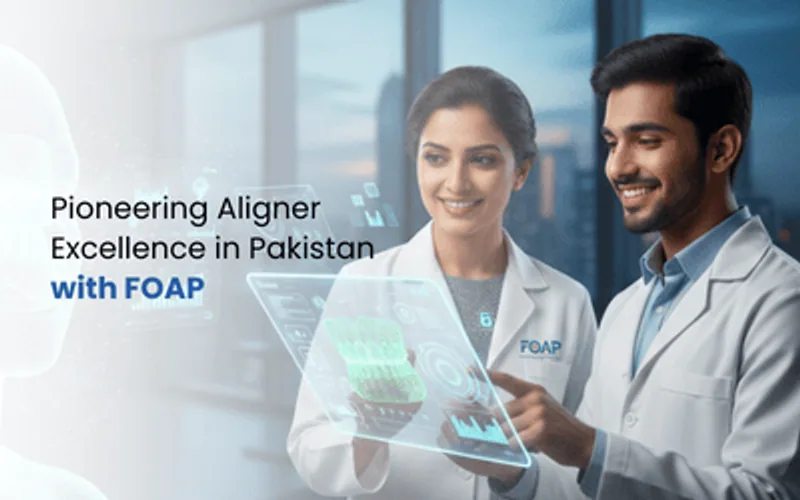
Pioneering aligner excellence in Pakistan requires more than importing technology. It requires building local expertise, standards and trust. FOAP’s commitment to education and mentorship ensures that clinicians are prepared to lead, not just follow, global trends. By aligning training with real world practice, the organization supports a future where Pakistani orthodontics stands confidently on the global stage.
Building a Smarter Orthodontic Future
The future of orthodontics is not just about new tools. It is about smarter systems, better education and stronger clinical standards. AI and digital planning in aligner therapy offer a powerful combination of precision and efficiency, but their true value emerges when guided by experienced professionals. Through its focus on training, mentorship and innovation, the Foundation for Orthodontic Aligners Pakistan continues to shape a future where technology and clinical excellence move forward together, delivering better smiles and better care for patients across the country.
FAQs
What is the future of orthodontics with AI?
The future of orthodontics involves greater use of AI and digital planning to improve accuracy, predictability and patient experience in aligner therapy and other treatments.
How does digital planning improve aligner therapy?
Digital planning allows clinicians to simulate tooth movements, plan each stage precisely and adjust treatment before problems arise, leading to better outcomes.
What role does FOAP play in Pakistan?
The Foundation for Orthodontic Aligners Pakistan provides clear aligner training and mentorship, helping clinicians adopt modern, evidence-based orthodontic practices.
Is AI replacing orthodontists?
No. AI supports orthodontists by providing data and simulations, but clinical judgment, experience, and patient care remain central to treatment decisions.
Are digital aligners suitable for all cases?
Many cases benefit from digital aligner planning, but suitability depends on individual clinical assessment and the complexity of the case.