Aligner Staging Protocols for Efficient Tooth Movement
Learn how aligner staging protocols improve tooth movement, boost efficiency, and enhance treatment predictability in modern orthodontics.
News, clinical insight and patient guidance on clear aligner orthodontics in Pakistan.
Learn how aligner staging protocols improve tooth movement, boost efficiency, and enhance treatment predictability in modern orthodontics.

How clear aligners manage selected Class II and III cases using distalization, elastics, attachments and IPR, along with limits and case selection.
What causes aligner tracking errors, how to detect them with clinical and digital checks, and the refinement steps orthodontists use to correct them.

Learn the key criteria for aligner therapy case selection, from mild to complex malocclusions, including indications, contraindications and limitations.

Examine the biomechanics of clear aligners with insights on force systems, controlled tooth movement, and evidence based orthodontic treatment.

How clinicians manage open bite and deep bite with clear aligners, covering biomechanics, case selection, attachments, monitoring and retention.

Why anchorage is harder to control with clear aligners, and how attachments, elastics, TADs, monitoring and compliance help keep movement on plan.
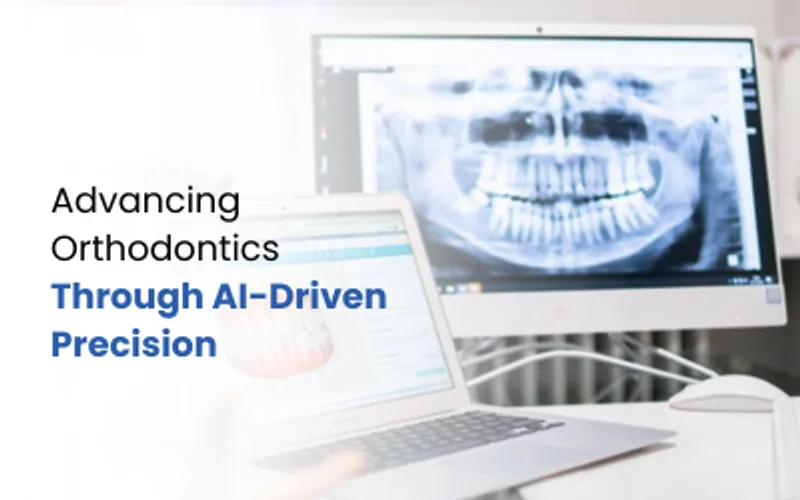
How AI diagnosis and automated simulations support orthodontic planning, efficiency and patient communication, and the limits clinicians must manage.
The patient demand, comfort, digital planning, training and hygiene factors behind aligner adoption in Pakistan, plus the challenges dentists face.

How clear aligners work, why their discreet design supports confidence, and practical tips on wear time, compliance and retention after treatment.
Why retention after aligner therapy is vital for lasting results: how bone biology affects stability, and how to plan full-time and night-only retainer wear.

How AI and digital planning change aligner therapy, from scanning and staged simulations to monitoring, and why clinical judgment remains central.